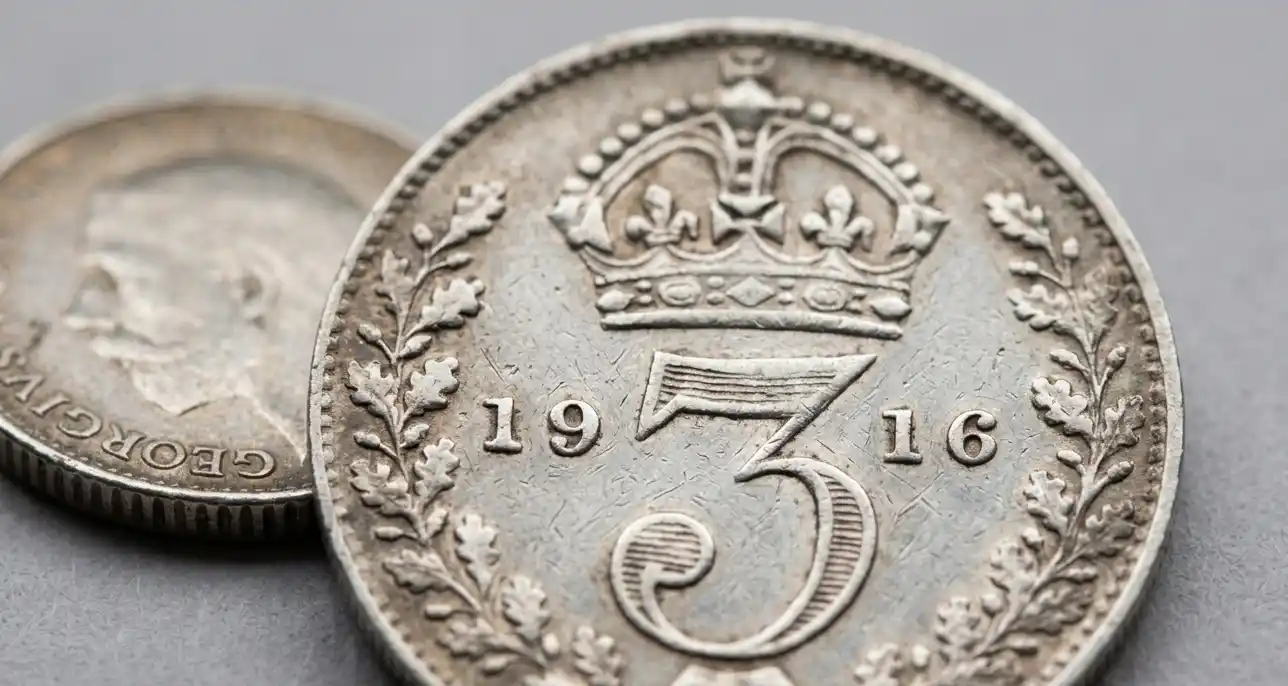
Silver quarters hold a powerful grip on collectors. They feel historic, tangible, and deceptively simple to value. A clear silver edge. A pre-1965 date. Ninety percent silver. For many buyers, that checklist alone justifies paying double melt value without hesitation.
That mindset fuels most overpayment mistakes. Knowing real silver quarter value saves you hundreds of dollars.
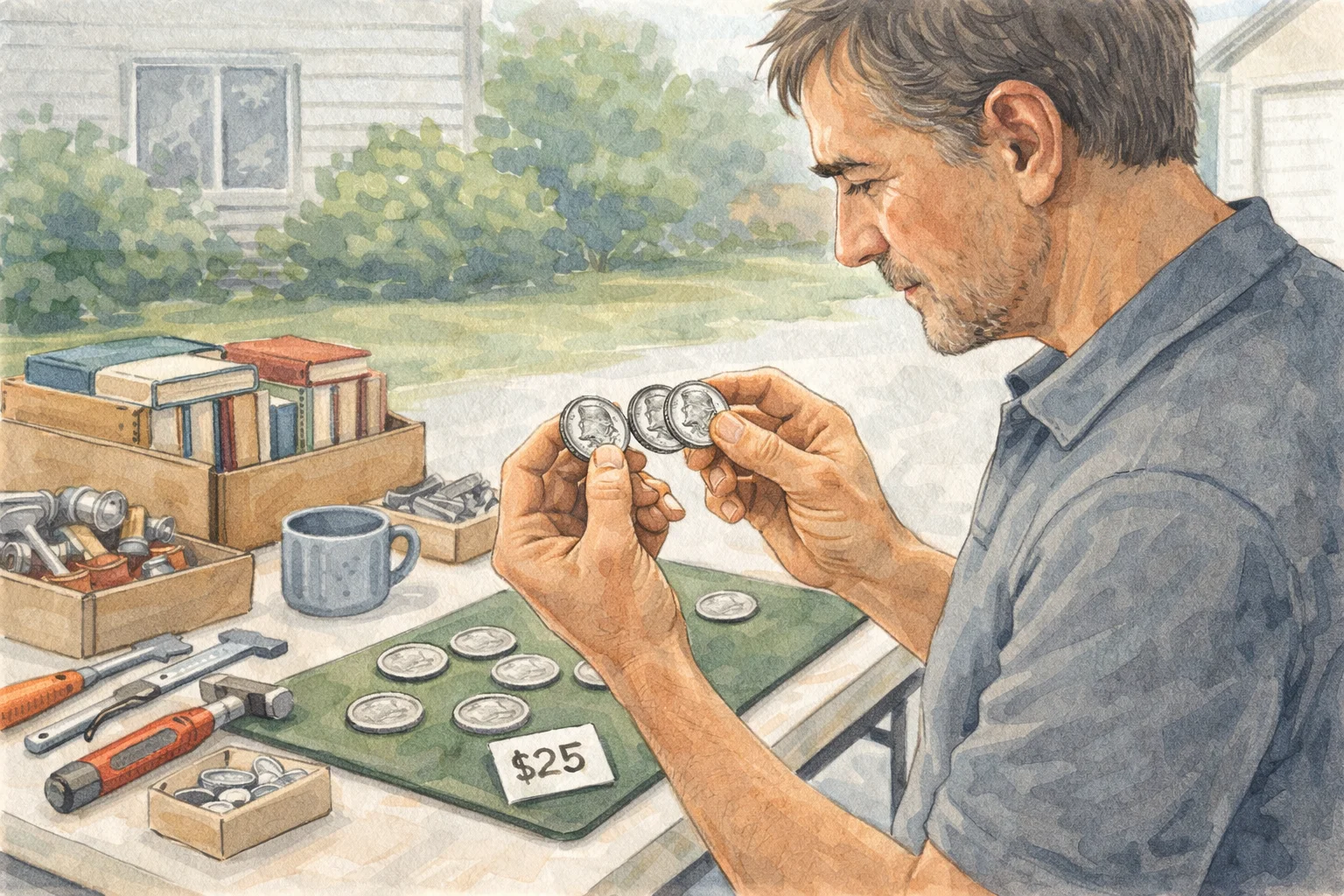
Silver content creates a false sense of security
At current spot prices, a standard pre-1965 U.S. quarter carries roughly $5.50–$6.00 in silver value. That melt floor feels comforting. Buyers assume the downside risk is limited, so paying $10 or $12 seems harmless.
The problem is scale. When this logic repeats across dozens of common dates without cross-checking through the free coin value checker, losses compound quietly. Melt value protects bullion investors, not casual collectors paying retail premiums.
The “old equals rare” assumption
Many collectors equate age with scarcity. That assumption fails with Washington quarters from the 1940s and 1950s, which were minted in the tens of millions and saved in large quantities.
Common examples include:
- 1941–1949 Philadelphia issues
- Most 1950s Denver and Philadelphia strikes
- Heavily worn 1964 quarters
These coins often trade near melt in bulk, yet appear in dealer cases priced far higher due to presentation and perceived demand. However, a simple check via the coin appraisal app free reveals the charm around such pieces.
Dealer framing and coin show pressure
Coin shows and shops amplify overpayment through subtle cues:
- Coins placed in individual flips feel scarce
- “Silver shortage” language pushes urgency
- Rounded retail pricing hides melt comparisons
Under time pressure, buyers anchor to asking prices rather than recent auction results. Once a purchase feels justified emotionally, logic fades fast.
Why hype spreads faster than data
Social media and online forums accelerate myths. A single post about a “rare” date spreads without context. Semi-keys like 1950-D or 1950-S Washington quarters gain inflated reputations despite modest premiums in circulated grades.
True rarity behaves differently. Coins like the 1901-S Barber quarter, designed under Charles Barber, earned their reputation through extremely low mintages and poor survival rates. Common Washington quarters did not.
The first step to avoiding overpayment
Smart buyers separate silver value from numismatic value. Silver sets the floor. Rarity and condition set the ceiling. Confusing the two leads to consistent overpaying.
Which Silver Quarters Truly Deserve the Premium (And Which Don’t)
Not every silver quarter priced above melt is a mistake. The problem starts when buyers pay rarity-level prices for coins that lack scarcity, demand, or condition support. The fix begins with clear separation between true key dates and market noise.
Silver quarters that justify strong premiums
Some dates earn their prices through hard numbers. Low mintages, thin survival rates, and consistent auction demand keep values elevated across market cycles.
Standout examples include:
- 1901-S Barber quarter
- Mintage: 72,664
- Value: $13,500+ in Fine
- Scarce in every grade, heavily counterfeited, tightly tracked
- 1916 Standing Liberty Type 1
- Mintage: 52,000
- Value: $6,000+
- One-year design, strong collector base
- 1932-D Washington quarter
- Mintage: 436,800
- Value: $125+
- First-year issue, low relative output
These coins trade on documented scarcity. Melt value plays almost no role in their pricing.
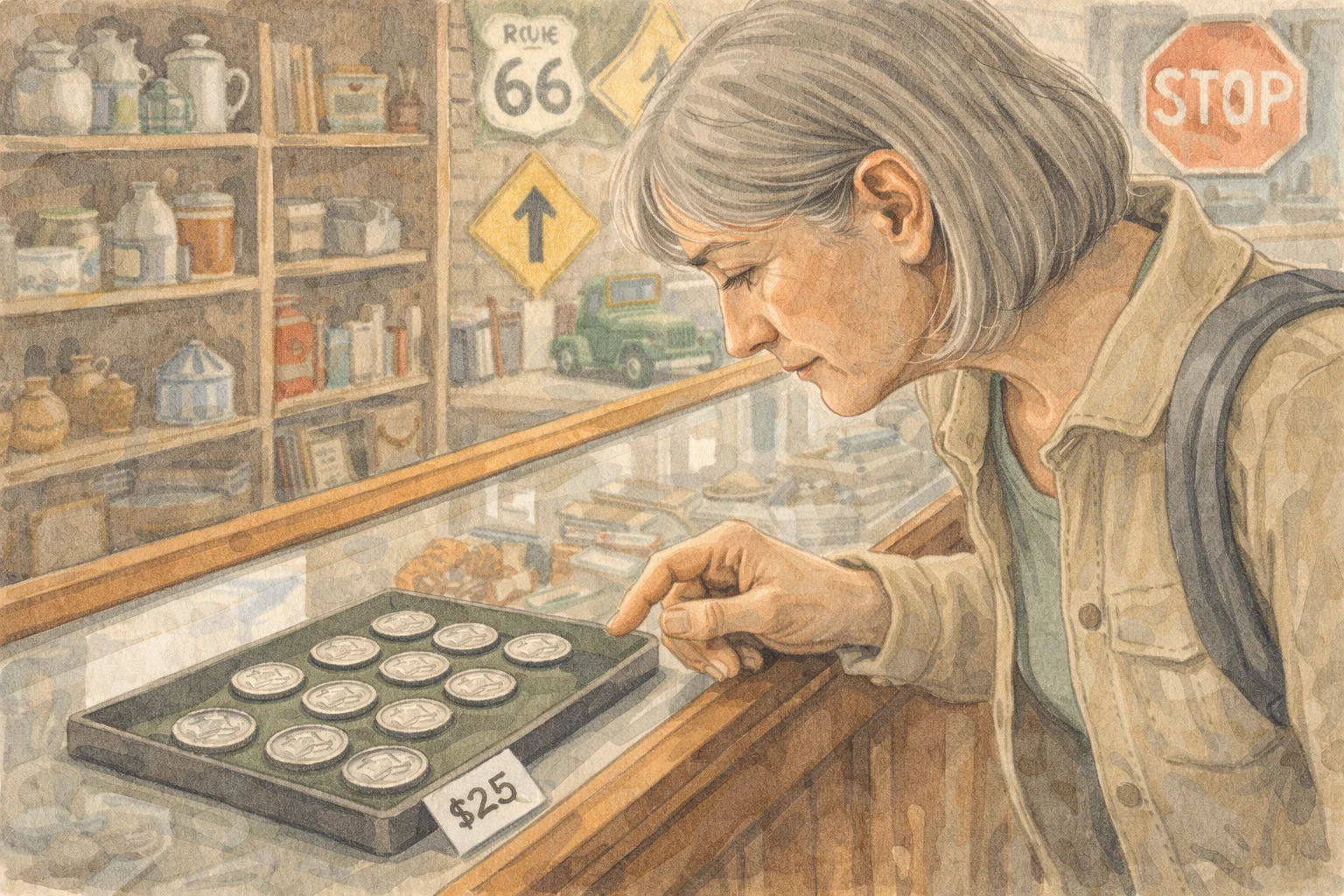
Semi-keys that cause the most overpayment
Problems arise with coins that sound rare but behave like common issues in the market.
Common traps include:
- 1950-D and 1950-S Washington quarters
- Large surviving populations
- Weak demand in circulated grades
- 1940s Washington quarters labeled “choice”
- Often AU at best
- Minimal numismatic lift above melt
- Ungraded “key date” claims
- Often cleaned, damaged, or overgraded
These coins can sit unsold for years at inflated prices, especially in retail settings.
Dealer ask vs. fair value
Understanding price gaps helps reset expectations.
| Quarter | Typical Dealer Ask | Fair Market Value | Melt Multiple |
| Common 1964 | $8–12 | ~$5.75 | ~1.05× |
| 1932-D | $200–400 | ~$150 | ~25× |
| 1901-S | $15,000+ | ~$13,500 | 2,000×+ |
| 1943-S doubled die | $50–100 | ~$35 | ~6× |
| 1916 SLQ | $7,000+ | ~$6,000 | 1,000×+ |
Retail spreads widen fastest on common coins. Auctions narrow them.
Condition reality check
Condition amplifies value only when scarcity exists. A low-grade key date often outperforms a high-grade common coin. Many buyers reverse this logic and pay extra for shine instead of substance.
Reliable benchmarks come from auction data and price guides published by organizations like PCGS and NGC. These sources reflect actual transactions, not optimistic price tags.
Practical Ways to Stop Overpaying Before Money Changes Hands
Avoiding overpayment comes down to process. Experienced collectors don’t rely on instinct or dealer narratives. They follow repeatable checks that expose inflated prices fast.
A simple pre-buy checklist
Run these steps in order before committing:
- Confirm the date and mint — many premiums vanish once mint marks are checked.
- Set the melt floor — know today’s silver value per quarter. Anything above that needs proof.
- Match grade to date — shine alone never creates rarity.
- Check recent comps — sold prices matter more than asking prices.
If a coin fails two of these steps, walk away.
Use tools to verify facts, not hype
Quick verification helps prevent impulse buys. Photo-based tools like Coin ID Scanner let buyers confirm mint year, composition, weight, and current pricing from a large reference database before accepting a premium. This step removes guesswork when labels or flips feel persuasive.
Collectors use tools to validate basics, then rely on auction records and grading standards to judge real value.
Prefer auctions over retail
Retail prices bake in overhead and optimism. Auctions reflect demand.
Smart buying habits include:
- Tracking multiple recent sales, not just one
- Avoiding “Buy It Now” prices without bids
- Favoring certified coins for transparency
- Expecting 20–30% savings versus retail on many issues
Patience consistently beats urgency.
Know when grading makes sense
Grading unlocks value only for the right coins.
| Coin type | Grading payoff |
| Key date Barber or SLQ | High |
| Early Washington in strong condition | Moderate |
| Common date near melt | Low |
| Cleaned or damaged coin | Negative |
Submitting common coins often costs more than the value gained.
Timing and discipline matter
Silver price swings create opportunities. Premiums compress during dips, especially on semi-keys. Buying during those windows reduces risk and improves long-term results.
Most overpayments happen when excitement overrides data. The cure is routine. Melt sets the baseline. Rarity and verified demand justify the premium. Everything else is noise.
Collectors who follow that rule stop overpaying—and start buying coins that hold their value long after the silver price moves on.